Most tea drinkers don't realize there's plastic in their tea bags. But a 2019 study by McGill University found that a single plastic tea bag releases roughly 11.6 billion microplastic particles and 3.1 billion nanoplastic particles into a single cup of tea. That's not a typo — billions, every cup.
The Hidden Plastic Problem
Conventional tea bags aren't just paper. Most mainstream brands use polypropylene — a type of plastic — to heat-seal their tea bags shut. Some premium "silky" pyramid bags are made entirely from nylon or PET plastic. When boiling water hits these bags, the plastic gradually breaks down into micro- and nano-sized particles that end up in your cup.
Why Researchers Are Watching This
The science around microplastics is still developing, but the early findings are getting attention:
- Microplastics have been detected in human blood, lungs, and placental tissue in recent studies.
- Plastic packaging can carry residual chemicals such as BPA and phthalates.
- A 2022 study in Environmental Science & Technology estimated that people unintentionally consume tens of thousands of microplastic particles per year from food and beverages — every plastic-containing tea bag adds to that total.
Environmental Impact
Beyond what ends up in the cup, plastic tea bags have a much bigger footprint:
- They don't fully biodegrade — plastic tea bags can persist in landfills for hundreds of years.
- They contaminate compost piles when consumers assume tea bags are compostable.
- Microplastics from tea bags wash into waterways and oceans.
- Producing plastic tea bag materials adds to fossil fuel demand.
What Herbal Cup Is Doing Differently
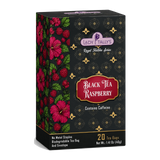
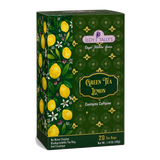
At Herbal Cup Tea, we made a commitment from day one: zero plastic in every product. Here's what that looks like in practice.
Our Tea Bags: 100% Compostable
Our tea bags are made from plant-based materials — specifically, a combination of abaca (Manila hemp) and cellulose fibers. No polypropylene. No nylon. No PET. No metal staples. Every component breaks down completely in a home compost bin within about 90 days.
Our Packaging: Recyclable and Minimal
Our outer packaging is made from recyclable cardboard printed with soy-based inks. We've eliminated unnecessary plastic wrapping, shrink wrap, and plastic windows that many tea brands use. The inner pouches that keep our tea fresh are designed to be as minimal as possible while maintaining freshness.
Our Supply Chain
We work directly with organic farms to ensure sustainable growing practices. Our ingredients are USDA Certified Organic, meaning no synthetic pesticides, herbicides, or fertilizers are used. This protects both the soil and the workers who grow our herbs.
How to Identify Plastic in Your Tea Bags
Curious whether your current tea bags contain plastic? A few clues:
- Heat-sealed edges: If the edges are sealed with a shiny, smooth strip, that's most likely polypropylene.
- Silky or shiny texture: Pyramid or "silk" bags are almost always nylon or PET.
- Won't tear easily when wet: Paper-only bags tear easily; plastic-containing bags resist tearing.
- No "plastic-free" claim: If a brand doesn't explicitly state their bags are plastic-free, they probably aren't.
The Bigger Picture
Choosing plastic-free tea bags is a small change that adds up. Two cups of tea per day means more than 700 tea bags per year. Switching to plastic-free means:
- Trillions fewer microplastic particles introduced from your daily cup.
- 700+ compostable tea bags instead of plastic waste.
- Supporting companies that prioritize sustainability.
- Sending a market signal that consumers expect better.
At Herbal Cup, sustainability isn't a marketing buzzword — it's a fundamental principle that shapes every decision we make. From our sustainability commitments to our certified-organic supply chain, we believe that what's good for you should also be good for the planet.
Shop our full collection of plastic-free, USDA Organic Ayurvedic teas.
Disclaimer: These statements have not been evaluated by the Food and Drug Administration. This product is not intended to diagnose, treat, cure, or prevent any disease. The information in this article is for educational and inspirational purposes only and does not constitute medical advice. Always consult a qualified healthcare provider before making changes to your wellness routine, especially if you are pregnant, nursing, taking medications, or managing a health condition.